


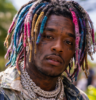
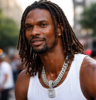
Nyjah Huston Dreads Explained: From Young Dreads to Cutting Them
-
- March 31, 2026

Introduction:
Nyjah Huston is widely known as one of the most successful and influential skateboarders of his generation. From a young age, he stood out not just for his technical skills and fearless style, but also for his distinct appearance—especially his long dreadlocks. For many fans, nyjah huston with dreads became an iconic image that represented both his personality and his presence in skate culture.
During his early years, particularly when we look at nyjah huston young dreads, his hairstyle felt like a natural extension of his lifestyle. It reflected freedom, individuality, and a non-traditional path—qualities deeply connected to skateboarding itself. His dreads weren’t just a fashion choice; they became part of how people recognized and remembered him.
Over time, however, things changed. As Nyjah grew older and stepped further into the global spotlight, he made the surprising decision that nyjah huston cut his dreads, marking a major shift in his image. This transformation sparked conversations among fans and raised questions about identity, growth, and personal choices.
Who Is Nyjah Huston? (Quick Context for New Readers)
Nyjah Huston is one of the most recognized names in professional skateboarding. He turned pro at a very young age and quickly built a reputation for his consistency, technical precision, and competitive dominance. Over the years, he has won multiple X Games medals and became a key figure representing skateboarding on the global stage, including its introduction to the Olympics.
Beyond competitions, Nyjah played a major role in shaping modern street skateboarding. His style—clean, powerful, and highly controlled—set a new standard that many younger skaters try to follow. For a generation of fans, he wasn’t just an athlete; he became a symbol of discipline and progression in a sport that often values individuality.
At the same time, his image helped define his personal brand. Early in his career, nyjah huston with dreads stood out instantly. His long dreadlocks gave him a unique, recognizable look that separated him from other skaters. For many fans, especially those who followed nyjah huston young dreads, his hairstyle became part of his identity—something that made him memorable both on and off the board.
This combination of skill, influence, and visual identity helped Nyjah Huston grow beyond skateboarding into a global figure, where even changes like when nyjah huston cut his dreads became widely discussed moments.
Nyjah Huston with Dreads: Early Years and Signature Look
Nyjah Huston began growing his dreadlocks during his childhood, at a time when he was already deeply involved in skateboarding. His early years were shaped by a unique upbringing, including time spent living in a more alternative, less conventional environment. This lifestyle naturally influenced not only his approach to skating but also his personal style—including his decision to wear dreads from a young age.
For many fans, nyjah huston with dreads quickly became a defining image in skateboarding. As he appeared in competitions, skate videos, and sponsorship campaigns, his long dreadlocks made him instantly recognizable. At a time when most professional skaters had more typical looks, Nyjah stood out. His appearance matched the raw, expressive nature of street skating, helping him build a strong personal identity early in his career.
His dreadlocks also complemented his skating style. Nyjah was known for his powerful, fast, and highly technical approach, and his long, free-flowing dreads added a sense of movement and intensity to his presence. Whether landing complex tricks or competing on a global stage, his look became part of the overall experience—something fans associated with his energy and confidence.
Nyjah Huston Young Dreads: What They Represented
When fans think about nyjah huston young dreads, they usually remember more than just a hairstyle. His dreads came to represent a bigger idea—individuality, freedom, and a refusal to fit into a polished or conventional image. At a young age, Nyjah already looked different from many other rising athletes, and that difference helped him stand out in a sport built on personal style.
In many ways, his look fit naturally with skate culture. Skateboarding has long been connected to independence, rebellion, and self-expression. It does not reward people for blending in. It celebrates personality, creativity, and doing things your own way. Nyjah’s dreadlocks matched that spirit. They made him look authentic to the culture around him, especially during the period when he was becoming known to a wider audience.
There was also a contrast between Nyjah’s image and mainstream expectations. Traditional sports often favor a more controlled, uniform appearance, but skateboarding has always allowed more room for personal identity. That made nyjah huston young dreads feel especially memorable. He looked like someone who came from a different path, and for many fans, that made him even more compelling.
Media coverage and fan reactions also played a role in shaping this image. To many supporters, his dreads were part of what made him unforgettable. People did not just recognize his tricks—they recognized his whole presence. Over time, that visual identity became closely tied to his public image, which shows how personal expression can slowly turn into branding, even when it starts in a more natural and personal way.
That is what made his early look so significant. His dreads were not only about style. They reflected youth, confidence, and the kind of self-expression that helped define both his early career and his place in skateboarding culture.
Why Did Nyjah Huston Cut His Dreads? (The Real Reasons)
When people search “nyjah huston cut his dreads”, they are usually looking for more than the moment itself. They want to understand why such a recognizable part of his image disappeared. Based on publicly available biographical coverage, the change appears to reflect a mix of personal growth, lifestyle shifts, and practicality rather than one dramatic single reason. Nyjah was raised in a strict Rastafarian household, and that background was closely tied to his long dreadlocks in his younger years. Later, after distancing himself from that earlier lifestyle, he also cut off his dreadlocks, which fits a broader transition into adulthood and a more self-defined identity.
Another likely factor was maintenance. Long dreadlocks can require significant upkeep, especially for someone living an intense athlete schedule. Hair-care experts generally note that long locs take time to wash, dry, separate, and maintain properly, and that becomes even less convenient for athletes who train hard, travel often, and deal with sweat, weather, and back-to-back events. In Nyjah’s case, that practical side matters because his career has involved constant competition, media appearances, sponsorship obligations, and international travel. That makes a shorter style easier to manage day to day. This is a reasonable inference from his public career demands, even though not every detail has been spelled out by him in one formal statement.
His image was changing too. As Nyjah matured from nyjah huston young dreads into one of skateboarding’s biggest global names, his public persona became more polished and professional. That does not mean the dreads were a mistake or a phase with no meaning. It simply suggests that nyjah huston cuts dreads became part of a larger evolution in how he wanted to present himself as an adult athlete, businessman, and public figure. Fans often see hair as part of identity, but for public figures, it can also reflect a shift in personal values, independence, and branding.
As for direct explanations, reliable public sources do not seem to offer one widely cited quote where Nyjah gives a single, definitive reason in a detailed interview. What is clearer from the available record is the context: he moved away from the strict lifestyle of his childhood, reshaped his image over time, and eventually left behind the long dreadlocked look that many fans associated with his early career. That is why the answer to why Nyjah Huston cut his dreads is best understood as a combination of identity, practicality, and growing into a new stage of life—not just a simple haircut.
Nyjah Huston Cuts Dreads: Fan Reactions and Cultural Impact
When news spread that Nyjah Huston cuts dreads, the reaction was immediate. On social media, fans quickly began comparing his old look with his newer image. Some people were surprised because his dreadlocks had been part of how they recognized him for years. For longtime followers, especially those who remembered nyjah huston young dreads, the change felt bigger than a simple haircut.
A lot of the discussion came down to two different views. One group saw the cut as a loss of identity. To them, the dreads were part of the version of Nyjah they grew up watching. His look, his skating, and his early image all felt connected. When that changed, some fans felt like a piece of his original style disappeared too.
Others saw it very differently. They viewed it as a sign of personal growth. In that sense, when people say nyjah huston cut his dreads, they are also talking about change, maturity, and the right of a public figure to evolve. Athletes are often expected to stay the same in the eyes of fans, but real life does not work that way. People grow, their priorities shift, and sometimes their appearance changes with them.
This is also where branding becomes important. In modern sports culture, appearance is not separate from identity. Hair, clothing, tattoos, and overall style all shape how fans remember an athlete. For Nyjah, his dreadlocks were part of his early brand, whether planned or not. Once they were gone, his image became cleaner and more polished, which some people connected with a more mature and professional stage of his career.
The broader cultural conversation matters too. Hair often carries meaning beyond fashion. It can reflect background, values, personality, or a certain period in someone’s life. That is why changes like this attract attention. In the case of nyjah huston with dreads, fans were not only reacting to a hairstyle. They were reacting to what that hairstyle had come to represent over time.
Before vs After: How His Image and Career Shifted
Before he cut his hair, Nyjah Huston had a look that felt instantly tied to his early identity. For many fans, nyjah huston with dreads represented the raw, youthful version of him—an athlete whose appearance matched the rebellious and individual spirit of skate culture. His long dreadlocks gave him a strong visual identity, and that image stayed with people for years.
After the cut, his appearance became noticeably cleaner and sharper. The change gave him a more polished public image, one that aligned well with his position as a top-level professional athlete. This did not erase his earlier identity, but it did signal a shift. Instead of being known mainly as the talented young skater with a distinctive look, he began to appear more like an established global sports figure.
That kind of change can also influence mainstream appeal. In modern sports, image matters. Sponsors often look for athletes who are both highly skilled and widely marketable. Nyjah already had elite performance, but a more refined appearance may have helped support the professional brand he was building as his career matured. It made him look more aligned with major endorsements, media appearances, and a broader audience beyond core skate fans.
At the same time, there is little reason to believe the haircut itself changed his actual performance. His success has always come from his training, discipline, and technical ability—not from whether he had dreads or not. If anything, the conversation around nyjah huston cut his dreads had more to do with public perception than athletic results. His popularity remained strong because fans still respected what mattered most: his talent and consistency.
There is also a deeper psychological side to this kind of transformation. Athletes often go through identity shifts as they grow older. Early in their careers, they may express themselves in ways that reflect youth, freedom, or rebellion. Later, as their responsibilities and self-image change, they may choose a different outward style. In that sense, the move from nyjah huston young dreads to a more mature look can be seen as part of a normal process of identity evolution.
So when comparing before and after, the biggest difference was not his ability—it was the message his image sent. Before, he looked like a rising skate star with a bold personal style. After, he looked like a fully established athlete in control of both his career and his public image.
Expert Insight: The Meaning of Dreads Beyond Style
Dreadlocks carry meaning that goes far beyond appearance. Across different cultures and time periods, they have been connected to spirituality, identity, resistance, heritage, and personal discipline. Because of that, it is important to discuss them with care. In many cases, dreads are not simply a trend or a fashion choice. They can reflect a person’s beliefs, background, community, or life experience.
That wider meaning helps explain why a hairstyle like this can become such a strong part of someone’s public image. For athletes, hair often becomes part of how fans recognize them. It adds to their identity in the same way that clothing, tattoos, or style of play can. In Nyjah Huston’s case, his early look became memorable because it matched both his youth and the independent spirit often associated with skateboarding. For many viewers, nyjah huston with dreads was not just a visual detail. It was part of the image that defined his early career.
At the same time, athletes often change their appearance as their lives change. A hairstyle that feels right in one phase may no longer fit later on. This can happen for personal reasons, professional reasons, or simple practicality. As athletes grow older, deal with travel, training, sponsorships, public attention, and changing priorities, they may want a look that better suits their current lifestyle. That is one reason appearance changes should not always be read as rejection. Sometimes they simply reflect growth and a new stage of life.
There is also a practical side that should not be ignored. From a grooming and scalp-care perspective, long dreadlocks can require regular maintenance to stay clean and healthy. Wash routines, drying time, scalp care, buildup prevention, and tension around the roots can all matter. For someone with a demanding schedule, that upkeep can become harder over time. This does not make dreads unhealthy by default, but it does mean proper care is important. In that sense, hair can sit at the intersection of identity and practicality. A person may deeply value the style while also recognizing the effort it takes to maintain.
This is why the conversation around nyjah huston cut his dreads is more meaningful than it may first appear. It touches on personal identity, public perception, and the reality that even iconic looks can change. A balanced view respects both sides: the cultural and personal significance of dreadlocks, and the practical reasons someone may eventually decide to move on from them.
Looking at it this way helps readers understand that dreads are never just about style alone. They can represent history, self-expression, and belonging, while also raising real questions about maintenance, comfort, and personal evolution.
Could Nyjah Huston Grow His Dreads Again?
Yes, from a biological point of view, Nyjah Huston could grow his dreads again if he chose to. Dreadlocks are not a permanent hairstyle unless hair loss, scalp damage, or other long-term issues make regrowth difficult. In most cases, if the hair and scalp are healthy, a person can grow their hair out again and restart the locking process over time. So from a basic hair-growth perspective, there is nothing unusual about the idea.
The bigger question is whether it would fit his current image. Today, Nyjah is seen less as the young breakout skater and more as an established professional athlete with a refined public presence. That is why many fans connect his current look with maturity, discipline, and a more polished version of his brand. If nyjah huston with dreads once symbolized youth and raw individuality, bringing them back now could send a very different message. It would not necessarily feel like a return to the past, but it would definitely attract attention because his appearance has become part of how people read his career evolution.
That said, athletes rebrand themselves all the time. Changes in hair, clothing, tattoos, or overall presentation often reflect a new chapter rather than a simple style decision. Some athletes return to older looks as a way of reconnecting with their roots, while others reinvent themselves completely to match a new phase of life. In that sense, if Nyjah ever decided to grow his dreads again, it could be seen as personal reinvention rather than repetition.
There is also a stylistic factor to consider. Dreads often become closely tied to a specific era in a public figure’s life. For fans who remember nyjah huston young dreads, that hairstyle belongs strongly to his early identity. If he brought them back, some people would see it as nostalgic, while others might view it as a bold new version of an old signature look. Either reaction would show how powerful hair can be in shaping public perception.
So, yes, Nyjah could grow his dreads again. The real issue is not whether it is possible, but what it would mean. For a public figure like him, a hairstyle is never only about appearance. It can also signal identity, timing, and the kind of image he wants to project in the next stage of his career.
Lessons from Nyjah Huston’s Dread Journey
Nyjah Huston’s journey with dreadlocks offers more than just a story about appearance—it reflects how people grow, adapt, and redefine themselves over time. When you look at the shift from nyjah huston young dreads to the moment when nyjah huston cut his dreads, it becomes clear that change is often a natural part of progress.
One of the biggest lessons is that personal growth sometimes requires letting go of what once defined you. What feels right in your early years may not fit the person you become later. For Nyjah, his dreads were closely tied to his youth, his environment, and his early identity. Cutting them did not erase that history—it showed that he was moving forward into a new phase of life.
Another important takeaway is that identity is not fixed. Even public figures, who are constantly watched and judged, evolve over time. Fans often expect consistency, but real life is more fluid. The image of nyjah huston with dreads will always be part of his story, but it does not limit who he can become. Growth means allowing yourself to change, even when people are used to seeing you a certain way.
There is also a practical side to this journey. Self-expression is important, but it often has to be balanced with daily responsibilities, career demands, and personal comfort. Whether it is managing long hair, maintaining a certain image, or adapting to a new lifestyle, choices are rarely just about style. They are about what works best for your life at a given time.
In the end, Nyjah Huston’s dread journey shows that change does not mean losing yourself. It means redefining yourself. His story is a reminder that identity can evolve without losing its core, and that sometimes the most meaningful transformations are the ones that reflect who you are becoming—not just who you used to be.
Conclusion:
The story of nyjah huston dreads is not just about a hairstyle—it’s about a journey. From the early days of nyjah huston young dreads, where his look reflected youth, freedom, and individuality, to the moment when nyjah huston cut his dreads, his transformation mirrors the natural process of growth and change.
For many fans, his dreadlocks were a defining part of his identity. But over time, it became clear that the change was not about leaving something behind—it was about stepping into a new phase of life. His decision showed that even the most recognizable parts of our image can evolve as our priorities, mindset, and lifestyle shift.
