



How to Smooth Frizz Dreads Naturally (Without Damaging Your Locs)
-
- January 6, 2026

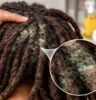
Frizz is a normal part of having dreadlocks. It happens when loose hairs, new growth, or dry strands sit outside the loc instead of staying compact. Washing, humidity, daily movement, and even your hair’s natural texture can all cause frizz to show up. This is why almost everyone with locs experiences frizz at some stage.
It’s important to understand that frizzy dreads are not a problem. Starter locs often look fuzzy because the hair is still learning to lock. Mature locs can develop frizz from new growth or friction, while freeform locs naturally carry more fuzz as part of their look. Frizz simply means your locs are growing and adjusting.
When learning how to smooth frizz dreads, realistic expectations matter. Smoothing helps manage frizz and improve the appearance of your locs, but it does not remove frizz forever. The goal is healthier, more controlled fuzzy locs, not perfectly flat hair.
With the right care and habits, you can reduce frizz, protect your locs, and enjoy smoother dreadlocks—without damaging the natural locking process.
Understanding Frizz in Dreadlocks (Expert Insight)
Frizz in dreadlocks is mainly made up of loose hairs that have not fully locked in yet. These hairs can come from new growth, natural shedding, or minor breakage. This is a normal part of the locking process and does not mean your locs are unhealthy.
Frizz looks different depending on the stage of your locs. Starter loc frizz is common because the hair has not compacted. Mature loc frizz usually appears from new growth or light manipulation and is easier to manage. Fizz or friction frizz comes from constant rubbing against pillows, clothing, or hats, which pulls hairs outward over time.
Hair texture also plays a big role. Straight and wavy hair tends to show more visible frizz because it resists tangling. Curly, coily, and kinky textures lock faster but can still develop surface fuzz, especially when dry or over-touched.
Environmental factors add to frizz as well. Humidity causes hair to swell, dryness makes strands brittle, and friction lifts loose hairs. Understanding these causes helps you manage frizz instead of fighting your locs.
Common Mistakes That Make Frizz Dreads Worse
One common mistake is over-retwisting or excessive palm rolling. While these techniques can help guide loose hairs, doing them too often weakens the roots and creates more frizz instead of less. Locs need time to settle and lock naturally.
Using heavy waxes or greasy products can also make frizzy dreads worse. These products cause buildup inside the locs, attract lint, and stop the hair from locking properly. The result is locs that look smoother for a short time but become fuzzier later.
Another issue is towel drying with rough fabric. Regular towels create friction and pull loose hairs out of the locs, especially when rubbing. This rough handling increases surface fuzz.
Sleeping uncovered or on cotton pillowcases is another hidden cause. Cotton absorbs moisture and creates friction during sleep, leading to more frizz by morning.
Finally, washing too often or not enough can both cause problems. Overwashing dries the hair, while under-washing leads to buildup. A balanced routine helps keep frizz under control and locs healthy.
Daily & Weekly Habits to Smooth Frizz Dreads
A simple light misting routine can help keep frizz under control. Using water or water mixed with natural humectants like aloe helps keep the hair flexible, which allows loose hairs to settle back into the locs instead of sticking out.
When it comes to rolling, gentle palm rolling works better than forced rolling. Light rolling helps guide surface hairs, while aggressive rolling creates tension and leads to more frizz over time.
For surface fuzz, a finger-smoothing technique is often enough. Gently pressing loose hairs into the loc with slightly damp fingers helps reduce fuzz without disturbing the loc structure.
Finally, remember that less touching is better. Constant twisting, pulling, or playing with your locs keeps hairs loose. Giving your locs space between maintenance sessions allows them to tighten and smooth naturally.
Best Natural Methods to Smooth Frizz Dreads (Pro-Approved)
Aloe vera gel is one of the safest natural options for smoothing frizz. Use a small amount on damp locs and focus only on the surface. Too much can cause buildup, so light application is key. It works best after washing or misting.
Rose water or distilled water sprays help reduce dryness without leaving residue. These sprays soften the hair, making it easier for loose hairs to lay flat and blend into the locs.
When using natural oils, choose light oils like jojoba or grapeseed. They help smooth frizz without attracting lint. Heavy oils can make locs sticky and should be used sparingly or avoided.
Light crochet refinement can help with stubborn frizz, but only when done carefully. It’s safe for mature locs when used occasionally. Overusing a crochet hook can weaken locs and create breakage, so it should never be a frequent fix.
How to Smooth Frizz Dreads After Washing
Frizz often increases after washing because water lifts the hair cuticle and loosens surface hairs. This is normal and usually temporary, especially when locs are still maturing.
Proper drying makes a big difference. Air drying is the safest option and helps reduce friction. If you use a dryer, a diffuser on low heat is better than direct airflow, which can push hairs out and cause fuzz.
Palm rolling works best while locs are slightly damp, not soaking wet or fully dry. Light rolling at this stage helps guide loose hairs back into the loc without stressing the roots.
To lock in moisture without buildup, use water-based products and avoid heavy creams. Keeping locs hydrated helps reduce post-wash frizz while allowing them to dry clean and light.
Nighttime Protection: The Secret Most People Ignore
Nighttime care plays a major role in how smooth your locs stay. Silk and satin both reduce friction, but silk is a natural fiber that holds moisture better, while satin is more affordable and still effective. Either option is far better than cotton.
Using bonnets, durags, or loc socks helps protect your locs while you sleep. The best choice depends on your loc length and comfort, but the goal is the same—keep your hair covered and secure.
When locs rub against pillows and bedding, nighttime friction pulls loose hairs outward, creating what many people call “fizz dreads.” This happens slowly, night after night, if hair is left unprotected.
For long-term smoothness, consistent nighttime protection matters more than any product. Covering your locs every night helps maintain moisture, reduce frizz, and keep your dreadlocks looking neater over time.
Professional Maintenance: When to See a Loctician
Sometimes frizz reaches a point where home care is not enough. If your locs look consistently fuzzy, uneven, or difficult to manage despite proper care, it may be time for professional intervention. A loctician can assess whether the frizz is from new growth, weak areas, or improper maintenance.
For frizz control, interlocking and crochet serve different purposes. Interlocking is mainly used at the roots to manage new growth, while crochet helps pull loose hairs back into mature locs. Both methods work when done correctly, but they should match your loc stage and hair type.
Maintenance should happen only as needed, not on a fixed schedule. Over-maintaining can thin the roots and cause breakage, leading to even more frizz.
A skilled loctician also helps avoid over-manipulation damage by using light tension and proper techniques. This protects the strength of your locs while keeping frizz under control.
Texture-Specific Tips for Smoother Dreads
For straight or loose-curl hair, frizz control takes more patience. These textures resist tangling, so surface fuzz is more visible and may last longer. Light palm rolling, minimal products, and protective styling help the most.
With coarse or coily hair, locs usually form faster, but frizz can still appear from dryness or frequent touching. Keeping the hair moisturized and limiting manipulation helps maintain smoother locs.
Freeform locs and manicured locs have different expectations. Freeform locs naturally carry more frizz and texture, while manicured locs are maintained for a neater look. Neither is better—the choice depends on personal style and maintenance preference.
Some frizz is healthy and permanent, especially from new growth. Trying to remove every loose hair can weaken locs. Accepting a small amount of frizz allows locs to stay strong and develop naturally.
Real-Talk: Can You Completely Eliminate Frizz Dreads?
The honest answer is no—you can’t completely eliminate frizz without affecting the health of your locs. Frizz is part of how dreadlocks form and grow. Loose hairs, new growth, and texture changes will always exist to some degree.
Trying to force perfectly smooth locs often leads to over-manipulation, buildup, or thinning roots. While certain methods can reduce frizz and make locs look neater, a small amount of frizz is natural and healthy. It shows that your hair is alive, growing, and locking properly.
The goal isn’t perfection. The goal is balance—keeping frizz under control while allowing your locs to mature in their own way.
Conclusion: How to Smooth Frizz Dreads Without Fighting the Loc Journey
Learning how to smooth frizz dreads is really about understanding your hair and treating it with patience. Frizz comes from new growth, dryness, friction, and daily movement, and none of these mean your locs are failing.
By building healthy habits, using light natural products, protecting your locs at night, and avoiding over-manipulation, you can reduce fuzzy locs and maintain smoother dreadlocks over time. Most importantly, accept that frizz is part of the process.
Healthy locs come first. When you work with your hair instead of against it, smoother dreadlocks will follow naturally.
Disclaimer
The information in this article is for educational purposes only and is based on general dreadlock care practices and professional experience. Hair types, textures, and loc journeys vary from person to person. Always consult a certified loctician or hair care professional before making major changes to your dreadlock maintenance routine.
